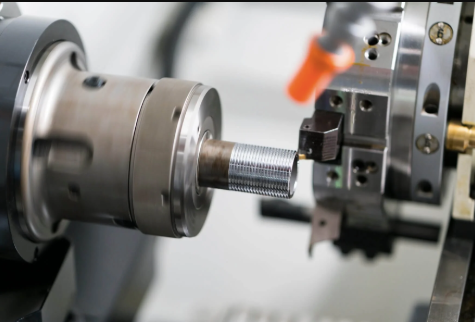
CNC (Computer Numerical Control) machines rely heavily on spindle motors for precision cutting, drilling, and milling operations. A CNC spindle motor is the heart of the machine, driving the rotation of cutting tools at high speeds with accuracy and stability. However, spindle motors can experience various problems that affect machine performance, product quality, and operational efficiency.
Understanding CNC spindle motor problems, their causes, and troubleshooting techniques is essential for machine operators and maintenance engineers to maintain smooth production and avoid costly downtime.
Common CNC Spindle Motor Problems
Overheating
Spindle motors can overheat due to excessive load, poor ventilation, or insufficient lubrication. Overheating may lead to thermal damage, reduced motor lifespan, and decreased cutting accuracy.
Electrical Failures
Electrical issues such as short circuits, phase loss, or faulty wiring can disrupt spindle motor operation, causing intermittent performance or complete failure.
Mechanical Wear
Bearings, shafts, and coupling components can wear out over time, leading to vibration, noise, and reduced precision in machining.
Noise and Vibration
Unusual spindle noise or vibration can result from misalignment, bearing damage, or imbalance in the motor or attached tooling.
Inconsistent Speeds
Fluctuating spindle speeds or slow acceleration may indicate control system faults, inverter issues, or mechanical resistance in the spindle assembly.
See also: Advancing Manufacturing with Innovative Adhesive and Film Technologies
Spindle Motor Not Starting
A spindle that fails to start may be experiencing power supply issues, defective drives, or internal motor failures.
Causes of CNC Spindle Motor Problems
- Improper Maintenance: Lack of regular inspection, lubrication, and cleaning can accelerate wear and failure.
- Electrical Faults: Voltage fluctuations, poor wiring, or faulty VFD (Variable Frequency Drive) units can damage the motor.
- Overloading: Operating the spindle motor beyond its rated capacity can cause overheating and mechanical stress.
- Contamination: Dust, coolant, or debris entering the motor can damage bearings and internal components.
- Misalignment: Incorrect installation or machine vibration can lead to uneven wear and motor issues.
Troubleshooting CNC Spindle Motor Problems
Step 1: Visual Inspection
- Check for loose wiring, connectors, or damaged cables
- Inspect bearings, shafts, and couplings for wear or damage
- Ensure cooling fans and ventilation systems are functioning
Step 2: Electrical Testing
- Verify voltage supply and phase balance
- Check spindle drive and inverter connections
- Test insulation resistance to detect electrical faults
Step 3: Mechanical Checks
- Assess bearing condition for wear or noise
- Check alignment between spindle and machine components
- Inspect tool holder and collet for proper seating
Step 4: Control System Diagnostics
- Monitor error codes and fault messages from the CNC controller
- Verify spindle speed commands and response
- Examine VFD settings and drive parameters
Step 5: Preventive Measures
- Implement regular maintenance schedules
- Ensure proper lubrication of bearings and cooling systems
- Avoid overloading the spindle motor during operations
- Keep the machine environment clean and free of debris
Solutions for Common CNC Spindle Motor Problems
- Overheating: Improve cooling, reduce load, and check lubrication
- Electrical Failures: Repair wiring, replace faulty drives, or recalibrate VFDs
- Mechanical Wear: Replace worn bearings, shafts, or couplings
- Noise and Vibration: Rebalance the spindle, realign components, or replace damaged parts
- Inconsistent Speeds: Check control systems, recalibrate VFDs, and inspect mechanical resistance
- Motor Not Starting: Test power supply, replace defective drives, or repair internal motor faults
Benefits of Proper Spindle Motor Maintenance
- Enhanced Machine Performance: Smooth and accurate machining operations
- Reduced Downtime: Early detection of issues prevents unexpected failures
- Longer Motor Lifespan: Regular care and monitoring prolong spindle life
- Improved Product Quality: Consistent speeds and stable rotation ensure precision
- Cost Savings: Avoid costly repairs and production delays
Conclusion
CNC spindle motor problems can significantly impact machine efficiency, product quality, and operational costs. Identifying common issues such as overheating, noise, mechanical wear, and electrical failures is crucial for timely troubleshooting and maintenance. By following proper diagnostic procedures, preventive maintenance schedules, and using high-quality components, operators and engineers can ensure reliable spindle performance and long-term CNC machine productivity.
Frequently Asked Questions
What are common CNC spindle motor problems?
Overheating, electrical faults, mechanical wear, noise, vibration, inconsistent speeds, and failure to start.
How can overheating be prevented?
Ensure proper cooling, avoid overloading, and maintain regular lubrication.
Why is spindle noise occurring?
Noise often results from bearing damage, misalignment, or imbalance in the spindle assembly.
Can spindle motor failures be avoided?
Yes, with regular maintenance, proper operation, and timely replacement of worn components.
What tools are needed for troubleshooting spindle motors?
Multimeters, insulation testers, vibration analyzers, alignment tools, and manufacturer-provided diagnostic software.