Introduction to Flame Photometry
Flame photometry is a widely used analytical technique for detecting and quantifying metal ions in various samples. It is commonly applied in clinical laboratories, environmental testing, pharmaceutical research, and industrial quality control. By measuring the intensity of light emitted by excited metal ions in a flame, laboratories can obtain accurate and reliable data on elemental concentrations.
Choosing the right instrument is crucial, and partnering with a reputable flame photometer manufacturer ensures access to high-quality, precise, and durable equipment.
How Flame Photometry Works
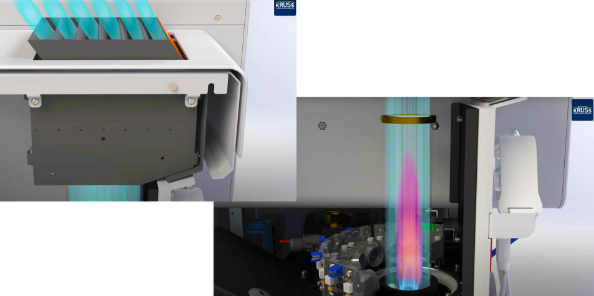
A flame photometer operates by aspirating a liquid sample into a flame, which excites the atoms of specific elements such as sodium, potassium, or calcium. As these atoms return to their ground state, they emit light at characteristic wavelengths. The instrument measures this emission intensity, which is proportional to the concentration of the element in the sample.
Modern flame photometers offer digital readouts, automated calibration, and data analysis software, enhancing accuracy, reproducibility, and laboratory efficiency.
Applications in Clinical Laboratories
In clinical laboratories, flame photometry is extensively used for analyzing electrolytes such as sodium, potassium, and calcium flame photometer manufacturer in blood, urine, and other biological samples. Accurate electrolyte measurement is critical for diagnosing and monitoring conditions like dehydration, kidney disorders, and electrolyte imbalances.
Partnering with a reliable flame photometer manufacturer ensures that clinical laboratories receive instruments that provide precise measurements, minimal maintenance, and consistent performance.
Applications in Pharmaceutical Research
Pharmaceutical laboratories utilize flame photometry for quality control, raw material testing, and formulation analysis. Accurate elemental analysis is essential to ensure drug safety, stability, and regulatory compliance.
A high-quality flame photometer allows researchers to perform rapid, reliable tests with minimal sample preparation, improving workflow efficiency and reducing operational errors.
See also: Advancing Manufacturing with Innovative Adhesive and Film Technologies
Environmental and Industrial Applications
Environmental laboratories use flame photometers to monitor metal ion concentrations in water, soil, and industrial effluents. Industrial applications include quality control of chemicals, fertilizers, and food products where elemental composition is critical.
The reliability and precision offered by flame photometers from a reputable manufacturer make them essential tools for maintaining environmental standards and industrial quality assurance.
Advantages of Choosing a Trusted Flame Photometer Manufacturer
- Precision and Accuracy: Ensures consistent, high-quality measurements across various applications.
- Durability and Reliability: Instruments built to withstand high workloads and continuous laboratory operation.
- Technical Support: Provides training, maintenance, and calibration services for long-term efficiency.
- Advanced Features: Offers automated calibration, digital displays, and integration with laboratory software.
Technological Advancements
Modern flame photometers include features such as multi-element detection, automated sample introduction, and temperature-stable flame systems. Some models also incorporate software for data logging and trend analysis, enhancing laboratory productivity and compliance.
Investing in a flame photometer from a trusted manufacturer guarantees access to reliable instruments that meet both current and future analytical demands.
Best Practices for Laboratory Use
To maximize the performance and lifespan of a flame photometer, laboratories should follow best practices such as proper sample preparation, regular calibration, routine maintenance, and adherence to operating procedures.
Implementing these practices ensures accurate, reproducible results and protects the integrity of the instrument, reducing downtime and operational costs.
Conclusion
A flame photometer is an indispensable tool for laboratories engaged in clinical diagnostics, pharmaceutical research, environmental testing, and industrial quality control. Partnering with a reputable flame photometer manufacturer ensures access to high-quality, precise, and reliable instruments.
Integrating a trusted flame photometer into laboratory workflows enhances productivity, supports accurate data collection, and strengthens analytical capabilities. For modern laboratories seeking precision, efficiency, and reliability, a well-designed flame photometer remains a key instrument for elemental analysis.