Purchasing a solar-powered generator for the first time might be difficult due to the numerous specifications, brands, and features. Beginners frequently question how much power they require, what size to select, and whether features are genuinely important. A well-matched generator will keep your needs running during power outages, off-grid travels, or backyard use—all without using fuel or making any noise. This tutorial explains the important aspects that determine your purchasing decision. From power capacity to battery type and warranties, each section explains the fundamentals in simple words. Follow these steps to confidently choose a dependable, beginner-friendly solar generator that meets your actual needs.
How Do Beginners Choose the Right Solar Generator?
Estimating Power Needs and Generator Size
Begin by naming the devices you intend to power, noting their wattage and projected runtime. The total watt-hours (Wh) required each day is calculated by multiplying the wattage by the number of hours of use. For example, a 60W fan that runs for 5 hours requires 300Wh. Add everything together to calculate your daily intake. Then select a solar generator with at least 20-30% greater capacity than your estimate to accommodate for energy loss and future needs. For modest chores such as charging phones or lights, 300-500Wh units are adequate. Look for 1,000-2,000Wh versions in refrigerators, CPAPs, and power tools. Proper size prevents overloads and allows for longer runtimes.
Understanding Battery Types, Capacity, and Lifespan
Solar generators commonly employ lithium-ion or LiFePO4 (lithium iron phosphate) batteries. Lithium-ion is lighter and less expensive; however, LiFePO4 has a longer lifespan and higher heat resistance. The battery capacity, given in watt-hours, shows how much energy the device can store. A 1,000Wh battery can power a 100W gadget for around ten hours. The battery’s lifespan is measured in cycles—the number of times it can charge and discharge before losing capacity. LiFePO4 batteries can withstand over 3,000 cycles, making them excellent for regular usage. Beginners should strike a balance between weight, affordability, and durability. For occasional usage, lithium-ion is enough; for long-term reliability, if the budget permits, use LiFePO4.
Ports, Outputs, and Device Compatibility
Check the output ports to see whether they match your devices. Common connectors include USB-A, USB-C, 12V DC vehicle outlets, and AC outlets with regular plugs. Some generators have fast-charging USB-C PD connectors, which are perfect for laptops and modern smartphones. Consider the rated wattage per port—some AC outlets may only allow 300W, while others may handle up to 2,000W. If you intend to power various devices, consider a generator with several outputs and a large inverter capacity. Also, look for pure sine wave inverters for delicate gadgets such as CPAPs and computers. A generator’s value rises with additional output possibilities, making it more adaptable for both emergency and everyday use.
See also: Top 10 Emerging Tech Trends That Will Shape 2025
What Should Beginners Look for Before Buying?
Portability, Weight, and Ease of Use
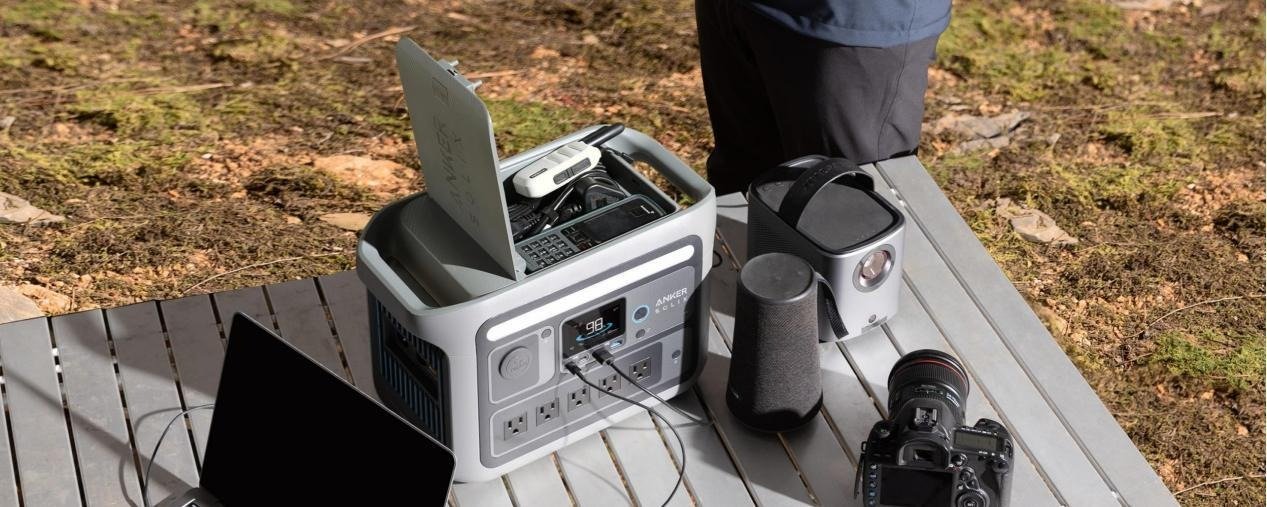
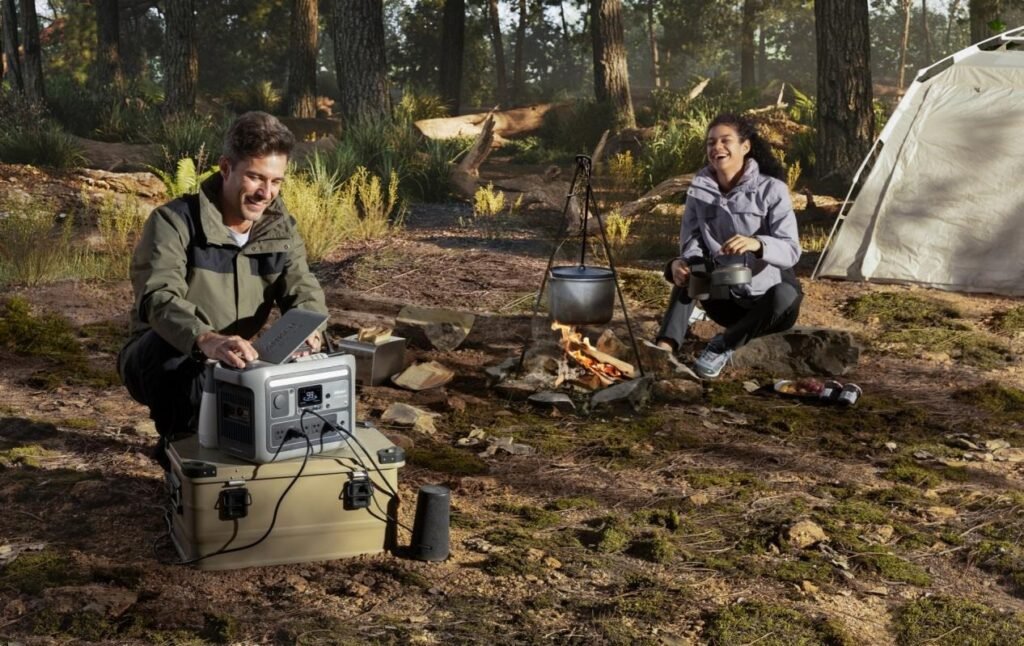
Portability matters, especially when you’re moving your generator between campsites, vehicles, or around the house. The Anker SOLIX C800 Solar Generator strikes the right balance with its compact design, built-in handle, and lightweight build—perfect for tent camping, RV trips, or backyard events. Its sturdy casing, built-in storage compartment, and rubber feet add to the convenience and durability. The user interface is beginner-friendly, with clearly labeled ports, simple buttons, and app-based monitoring for remote control and energy tracking. For first-time users or frequent movers, the C800 offers the portability and ease of use that make solar power practical anywhere.
Safety Features, Noise Level, and Maintenance
Choose a solar generator that includes built-in safety features such as overcharge, short-circuit, and temperature control. These protect the battery and reduce the risk of fire, especially when used for extended periods of time or in high-temperature circumstances. Unlike gas generators, solar generators operate quietly—usually around 40 decibels—making them ideal for indoor or nighttime use. Consider cooling systems; fans assist in managing internal heat but should not be too noisy. Maintenance is minimal: keep the device dry and dust-free, and store it with a charge to extend battery life. Solar panels must be cleaned on a regular basis in order to function properly. A safe, quiet, low-maintenance generator offers long-term peace of mind, especially for novices who are still learning how to manage their power demands.
Budget, Warranty, and Long-Term Value
Prices range greatly, from $200 for simple devices to more than $2,000 for high-capacity machines. Beginners should ensure that their budget matches their practical demands. Don’t overpay on features you’ll never use, but don’t skimp and wind up with a unit that can’t manage your load. Look for manufacturers that give at least a one-year guarantee, preferably two years for added peace of mind. Check customer support, reviews, and battery cycle life—longer-lasting batteries may be more expensive at first, but they save money in the long run. Investing in a dependable generator with strong specifications, a reputable warranty, and a long-lasting battery provides more value and fewer replacements down the road.
Conclusion
A solar powered generator is a smart investment for emergencies, outdoor use, or off-grid living. Beginners should prioritize sizing the generator depending on device power, selecting a battery that matches usage frequency, and ensuring port compatibility. Additional features such as mobility, safety functions, and solid guarantees increase long-term value. The ideal generator isn’t usually the largest; it’s the one that meets your specific requirements without adding complexity. Take the time to investigate, evaluate possibilities, and ensure that the power capacity matches your daily requirements. With the proper configuration, you’ll have energy independence, backup peace of mind, and a clean, quiet source of power whenever you need it.