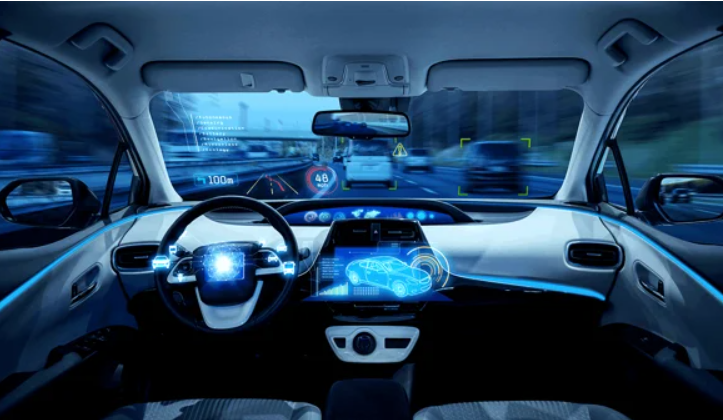
In the last decade, autonomous vehicles (AVs) have transitioned from a distant concept to a tangible technological innovation that is gradually reshaping the future of transportation. With companies and governments investing millions of dollars into the development of self-driving cars, the question arises: What’s driving this change? The rise of autonomous vehicles is fueled by various technological, economic, and social factors. Let’s explore the forces behind this transformative change and what the future holds for AVs.
Introduction to Autonomous Vehicles
Autonomous vehicles, also known as self-driving cars, are vehicles capable of traveling without human input. Through the integration of sensors, cameras, machine learning algorithms, and AI technology, AVs can perceive their environment, make decisions, and navigate roads without direct human control.
Self-driving technology has sparked the imagination of tech enthusiasts and governments alike, as it promises to revolutionize the way we think about transportation. From safety improvements to enhanced mobility, the rise of autonomous vehicles is rapidly changing the landscape of the automotive industry.
Key Factors Driving the Rise of Autonomous Vehicles
1. Technological Advancements in Artificial Intelligence
The heart of autonomous vehicle technology lies in artificial intelligence (AI). AI enables AVs to interpret their environment, make real-time decisions, and perform tasks traditionally managed by human drivers. This includes interpreting road signs, understanding traffic signals, and responding to unexpected events such as pedestrians crossing or sudden road obstructions.
Machine learning, a subset of AI, helps AVs continually improve by learning from millions of miles of driving data, refining their algorithms to handle complex road situations better than a human driver could.
See also: Top 10 Emerging Tech Trends That Will Shape 2025
2. The Push for Safer Roads and Fewer Accidents
One of the primary motivations behind the development of autonomous vehicles is the potential to reduce traffic accidents caused by human error. Human drivers are prone to distractions, fatigue, impaired driving, and poor decision-making. Statistics show that over 90% of traffic accidents are caused by human error. Autonomous vehicles, however, have the potential to eliminate these risks by relying on sensors, real-time data analysis, and predictive algorithms to avoid accidents.
With enhanced safety features, AVs can detect hazards faster and make more accurate decisions than a human driver. As the technology matures, the adoption of autonomous vehicles may significantly lower the number of accidents on the roads, leading to fewer fatalities and injuries.
3. Improvements in Vehicle Sensors and Mapping Technologies
For autonomous vehicles to operate safely and efficiently, they rely on a combination of sensors, cameras, and LiDAR (Light Detection and Ranging) technology to map out their surroundings in real-time. These sensors can detect objects, measure distances, and create a 360-degree map of the vehicle’s environment.
Simultaneously, advancements in mapping technology, such as high-definition digital maps, are enhancing the precision of AV navigation systems. These improvements are enabling self-driving cars to better understand and navigate complex road networks, ensuring smoother and safer journeys.
4. Demand for Convenience and Reduced Commuting Time
As the global population continues to grow and urban centers become more congested, people are seeking more convenient and efficient transportation options. Autonomous vehicles can offer significant improvements in the daily commute by reducing the time spent behind the wheel, allowing passengers to use their travel time for productive or recreational activities.
For many, AVs represent the future of mobility—an era where people no longer have to worry about traffic, parking, or the stress of driving. This growing demand for a more comfortable and time-efficient mode of transportation is a key factor behind the rise of autonomous vehicles.
5. Environmental Benefits and the Push for Sustainability
Autonomous vehicles are often paired with electric vehicle (EV) technology, which has raised hopes for reducing the carbon footprint of the transportation sector. AVs, when combined with electric powertrains, have the potential to reduce greenhouse gas emissions significantly. Additionally, self-driving cars can optimize driving behavior, such as braking and acceleration, improving fuel efficiency and reducing energy consumption.
Moreover, as autonomous vehicles begin to integrate with smart city infrastructure, they can optimize traffic flow and reduce congestion, further lowering emissions from stop-and-go traffic. The environmental benefits of AVs are contributing to their adoption in cities and countries that are focused on sustainability and green technology.
The Role of Governments and Legislation
1. Regulatory Challenges and Safety Standards
While the rise of autonomous vehicles brings many opportunities, it also presents significant regulatory challenges. Governments must develop policies and regulations to ensure that autonomous vehicles meet safety standards and adhere to traffic laws. Several countries, including the U.S. and members of the European Union, have introduced pilot programs and tests for autonomous vehicle deployment on public roads.
For autonomous vehicles to gain public acceptance and become widespread, regulators need to ensure that they operate safely and fairly. This means addressing concerns such as liability in the event of accidents, cybersecurity threats, and the ethics of machine-driven decision-making. It’s also vital to set clear guidelines for AV manufacturers to ensure a smooth rollout across different regions and transportation networks.
2. Government Incentives and Investments
To accelerate the adoption of autonomous vehicles, governments around the world have been offering various incentives and funding for research and development. For example, the U.S. Department of Transportation has funded research into autonomous vehicle technology, and countries such as China and Germany have also invested heavily in the development of self-driving technologies.
These investments are aimed at advancing the technology, ensuring safety, and integrating AVs into existing transportation systems. Additionally, some governments are exploring how autonomous vehicles can reduce traffic congestion, improve mobility for elderly or disabled populations, and create new economic opportunities within the automotive sector.
Challenges Facing Autonomous Vehicles
Despite the significant advancements in AV technology, there are several challenges that still need to be addressed before widespread adoption. These include:
1. Public Trust and Perception
For autonomous vehicles to be successful, they need to gain the trust of the public. Many people are wary of the technology due to concerns over safety and the reliability of the systems. Educating the public and proving the technology’s reliability is essential to overcoming this challenge.
2. Technical Limitations and Roadway Infrastructure
While autonomous vehicles are improving rapidly, there are still technical limitations, such as their ability to navigate in inclement weather conditions or complex urban environments. Moreover, existing roadways and infrastructure are not always optimized for self-driving vehicles, which could slow down the integration of AVs into society.
3. Job Displacement and Economic Concerns
The rise of autonomous vehicles raises concerns about the potential loss of jobs in industries related to transportation, such as truck drivers, taxi drivers, and delivery services. Addressing these workforce issues and creating new opportunities in the emerging AV industry will be crucial to ensure the economic benefits of AVs are widespread.
The Future of Autonomous Vehicles
The future of autonomous vehicles looks promising, with ongoing advancements in AI, machine learning, and sensor technology. We are likely to see an increasing number of self-driving cars on the roads, especially in urban areas, as infrastructure improves and regulations evolve. In the near future, autonomous vehicles could become mainstream, with ride-sharing companies offering fleets of AVs to the general public.
Moreover, as AVs become more integrated into our daily lives, they could transform not only transportation but also urban planning, logistics, and even the design of cities. The development of fully autonomous fleets could reduce car ownership and change the dynamics of how we approach mobility, offering more accessible, sustainable, and efficient transportation solutions.
Frequently Asked Questions (FAQs)
1. How do autonomous vehicles work?
Autonomous vehicles work by using a combination of sensors, cameras, LiDAR, and AI algorithms to perceive their environment, make decisions, and navigate the roads. They continuously analyze data in real time to detect obstacles, traffic, road signs, and other important information.
2. Are autonomous vehicles safe?
While the technology behind autonomous vehicles has shown significant promise in terms of safety, there are still concerns to address. However, studies suggest that AVs could potentially reduce traffic accidents by eliminating human error, the leading cause of crashes.
3. How will autonomous vehicles affect jobs?
Autonomous vehicles may lead to job displacement in fields like driving and logistics. However, they may also create new jobs in technology development, infrastructure planning, and vehicle maintenance.
4. Are there laws regulating autonomous vehicles?
Yes, there are several laws and regulations being developed to govern autonomous vehicles. Governments are working to establish safety standards, liability laws, and ethical frameworks for the deployment of AVs.
5. What are the environmental benefits of autonomous vehicles?
Autonomous vehicles, especially when paired with electric vehicle technology, have the potential to reduce emissions by optimizing driving behavior, improving fuel efficiency, and integrating with smart city infrastructure to reduce congestion.
6. When will autonomous vehicles be widely available?
While fully autonomous vehicles are not yet common, several companies are already testing and deploying AVs in select regions. It may take several years for widespread adoption, with technology and regulations evolving in the coming decade.
Conclusion
The rise of autonomous vehicles is a transformative development in the automotive and transportation industries. Driven by advances in AI, demand for safer roads, environmental concerns, and government support, autonomous vehicles are poised to revolutionize how we travel and live. Although there are challenges to overcome, such as public trust and infrastructure needs, the future of self-driving cars holds incredible promise. As the technology matures, autonomous vehicles could lead to a safer, more efficient, and sustainable world of transportation.