Introduction
The rapid advancements in technology have led to the rise of smart homes, where everyday devices and systems are interconnected and can be controlled remotely. These innovations are not just making our lives more convenient, but also altering the way we live, work, and interact with our homes. In this article, we will explore the various ways in which smart homes are reshaping modern living, from enhanced comfort and energy efficiency to improved security and lifestyle customization.
What Is a Smart Home?
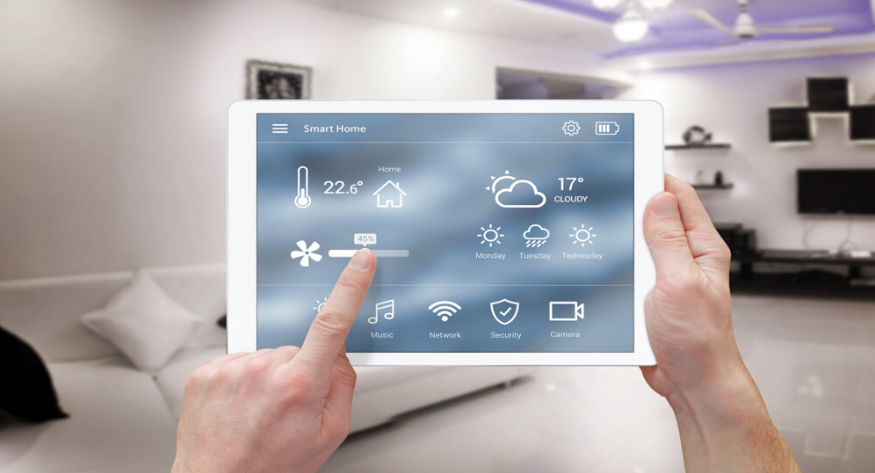
A smart home is a residence equipped with internet-connected devices that allow the homeowner to control and monitor various aspects of the home, such as lighting, heating, security, and entertainment, through smartphones, voice assistants, or other smart devices. These technologies rely on the Internet of Things (IoT), which connects everyday objects to the internet and enables them to communicate and share data.
See also: Top 10 Emerging Tech Trends That Will Shape 2025
How Smart Homes Are Improving Comfort and Convenience
1. Voice-Controlled Assistants
Voice-controlled smart assistants like Amazon Alexa, Google Assistant, and Apple Siri have become central to the smart home experience. These voice-activated technologies allow users to control a wide range of devices without lifting a finger. Whether it’s adjusting the thermostat, turning on the lights, or playing music, voice assistants provide a hands-free and efficient way to manage your home.
2. Automated Lighting and Climate Control
Smart thermostats like Nest or Ecobee learn your daily routines and adjust the temperature of your home accordingly, ensuring maximum comfort while saving energy. Similarly, smart lighting systems, such as Philips Hue, allow users to control the intensity and color of lights via smartphones or voice commands. This level of customization adds a new dimension of convenience and personal comfort to daily life.
3. Smart Appliances for Effortless Living
Smart refrigerators, washing machines, ovens, and other appliances are designed to make daily chores easier. These devices can be controlled remotely and even send notifications when maintenance is required, food is running low, or laundry cycles are complete. This automation allows individuals to focus on other important tasks while still managing their household efficiently.
Smart Homes and Energy Efficiency
1. Reducing Energy Consumption
One of the most significant benefits of smart homes is their ability to enhance energy efficiency. By optimizing heating, cooling, and lighting based on real-time data, these homes help reduce energy waste. Smart thermostats adjust the temperature to ensure it’s only on when needed, while automated lighting systems turn off when rooms are unoccupied.
2. Smart Metering and Consumption Tracking
Many smart home systems include energy monitoring tools that provide homeowners with insights into their electricity consumption patterns. This data can help users identify areas where energy use can be reduced, promoting greener living and potentially lowering utility bills.
3. Solar Integration and Smart Grids
Smart homes can also integrate with renewable energy sources like solar power. Smart solar inverters and batteries can store excess energy produced during the day for use at night or during power outages. In addition, smart grids that connect homes to a larger network of energy resources are becoming more common, allowing for better energy distribution and management.
Enhanced Security and Safety in Smart Homes
1. Smart Security Systems
Smart security systems offer homeowners peace of mind with advanced features like remote monitoring, motion sensors, and video surveillance. Cameras, doorbell cameras, and motion detectors can send real-time alerts to your phone, allowing you to monitor your home’s security from anywhere in the world. Some systems also include facial recognition technology for added protection.
2. Smart Locks and Access Control
Smart locks have revolutionized home entry by eliminating the need for traditional keys. Homeowners can lock and unlock doors using their smartphones or by setting up keyless entry codes for family members, friends, or service providers. This enhances convenience and security by reducing the risk of lost or stolen keys.
3. Smoke and Carbon Monoxide Detectors
Smart smoke detectors and carbon monoxide sensors are vital for safety in a smart home. These devices can alert homeowners of danger through their smartphones, even when they are not at home. They can also be integrated with other smart systems, such as turning off the HVAC system to stop the spread of smoke. In high-risk situations or during system maintenance, Fire Watch Services in Miami add an extra layer of protection by providing on-site monitoring, rapid emergency response, and immediate coordination with fire departments to prevent small incidents from escalating.
Smart Homes and Improved Health and Wellness
1. Air Quality Monitoring
Smart homes are equipped with air quality sensors that monitor pollutants, allergens, and other harmful particles. These sensors help maintain a clean and healthy indoor environment by automatically activating air purifiers or adjusting ventilation systems when needed.
2. Smart Beds and Sleep Tracking
Smart beds can adjust their position based on user preferences for optimal sleep, and some are equipped with sensors that track sleep quality, heart rate, and breathing patterns. This data can be used to make recommendations for better rest and overall wellness.
3. Fitness and Wellness Integration
Many smart homes now integrate with wearable fitness trackers and health apps, allowing individuals to monitor their activity, sleep patterns, and overall well-being. These systems can also suggest personalized routines for exercise, nutrition, and rest.
The Impact of Smart Homes on Daily Life and Relationships
1. Family Connectivity
Smart homes enhance connectivity within households, especially when family members are spread out across different rooms or even different locations. With smart devices like video calling systems, connected speakers, and home assistants, family members can easily communicate and stay in touch with each other, even when apart.
2. Personalized Living Experience
The level of customization that smart homes offer can dramatically change how individuals experience daily life. From adjusting lighting, temperature, and music to setting up routines that align with personal preferences, these homes create a personalized environment tailored to each member of the household.
3. Remote Control for Greater Flexibility
The ability to control your home remotely has made a significant impact on people’s schedules and responsibilities. Whether you’re on vacation, at work, or stuck in traffic, you can still manage the thermostat, lighting, and security of your home from your smartphone. This flexibility increases convenience and reduces stress in daily life.
Challenges and Considerations of Smart Homes
1. Privacy and Security Concerns
While smart homes offer many benefits, they also introduce concerns about privacy and data security. Since many devices collect data, homeowners must be vigilant about protecting personal information and ensuring that devices are properly secured against cyber threats.
2. High Initial Costs
Smart home devices can be expensive, and the installation of a fully automated system may require significant upfront investment. While there are cost-effective options, the price of high-end smart systems can be prohibitive for some homeowners.
3. Compatibility and Integration
With a wide variety of smart devices on the market, compatibility and integration can sometimes be an issue. It is important to ensure that different devices from different manufacturers work well together to create a seamless smart home experience.
The Future of Smart Homes
The future of smart homes holds even greater potential for innovation. With advancements in artificial intelligence (AI), machine learning, and 5G connectivity, smart homes will continue to evolve, offering even more personalized, intuitive, and energy-efficient living experiences. The integration of smart cities and homes may also lead to more sustainable and interconnected communities.
FAQs About Smart Homes
1. How do smart homes save energy?
Smart homes save energy by automating heating, cooling, and lighting systems based on real-time data. Devices like smart thermostats learn your routine and adjust energy use to reduce waste.
2. Are smart homes safe from hackers?
While smart homes are vulnerable to cyber threats, homeowners can improve security by using strong passwords, enabling encryption, and keeping software up to date.
3. Can I control my smart home while I’m on vacation?
Yes! Smart homes can be controlled remotely through mobile apps, allowing you to manage security, lighting, and climate from anywhere.
4. Are smart home devices easy to install?
Many smart devices are designed for easy installation and can be set up without professional help. However, more complex systems may require professional installation.
5. Do I need a smart home hub?
While some smart devices can function independently, a hub may be necessary for better integration and control of multiple devices across different brands.
6. How secure are smart locks?
Smart locks are generally secure, with features like keyless entry and remote locking. However, it’s important to ensure they are properly installed and updated to prevent unauthorized access.
Conclusion
Smart homes are no longer a futuristic concept; they are becoming an essential part of modern living. With increased comfort, energy efficiency, security, and convenience, these homes are transforming how we live. As technology continues to evolve, smart homes will become even more integrated into our daily lives, offering a truly personalized and efficient living experience.