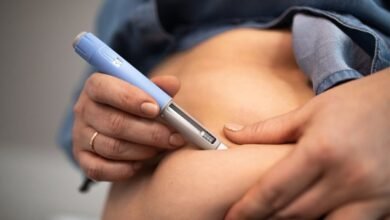
In modern healthcare, the choice of syringe can significantly impact both patient safety and treatment efficacy. Syringes are essential tools for administering medications, vaccines, and fluids in a precise and controlled manner. Among the most commonly used types are Luer lock and Luer slip syringes. While both are designed to attach to needles or other medical devices, their connection mechanisms and ideal applications differ. Understanding these differences is crucial for healthcare professionals across hospitals, clinics, and laboratories.
This article explores the Luer lock vs Luer slip industry, highlighting their uses, advantages, and considerations for selecting the appropriate syringe. The discussion emphasizes the role of the luer lock syringe in clinical practice and the benefits it provides for secure and safe fluid administration.
Understanding Luer Lock Syringes
The luer lock syringe is designed to provide a secure, threaded connection between the syringe and the needle or other medical equipment. By twisting the syringe onto the needle hub, the user creates a locked connection that prevents accidental detachment during use.
Key Features of a Luer Lock Syringe
- Threaded Connection: Ensures a secure attachment between syringe and needle.
- Versatility: Compatible with most standard needle hubs, IV connectors, and catheters.
- Leak Prevention: The locking mechanism reduces the risk of fluid leakage during injection or aspiration.
- Safety: Minimizes the risk of accidental needle disconnection, especially during high-pressure injections.
Luer lock syringes are commonly used in procedures that require precision, stability, and safety, such as intravenous drug delivery, anesthetic administration, and laboratory applications.
Understanding Luer Slip Syringes
Luer slip syringes, also known as plain luer lock syringe tip syringes, rely on a friction-fit connection between the syringe and needle hub. Instead of twisting, the needle is simply pushed onto the syringe tip.
Key Features of a Luer Slip Syringe
- Friction-Fit Connection: Quick and simple attachment of the needle to the syringe.
- Ease of Use: Requires minimal training and allows rapid needle changes.
- Cost-Effective: Generally less expensive than Luer lock syringes due to the simpler design.
- Lightweight Design: Useful for basic injections and low-pressure fluid administration.
Luer slip syringes are suitable for routine injections, small-volume medication administration, and situations where high-pressure resistance is not required.
Comparing Luer Lock and Luer Slip Syringes
Security and Stability
The primary advantage of a luer lock syringe is its secure, threaded connection. This makes it less likely to detach under pressure or during vigorous movement, making it the preferred choice for high-stakes procedures such as intravenous infusions or high-viscosity medication administration. Luer slip syringes, while adequate for low-pressure injections, carry a slightly higher risk of accidental disconnection.
Ease of Use
Luer slip syringes are generally easier and faster to attach, as they do not require twisting. This makes them convenient for rapid, routine injections, particularly in high-volume settings such as vaccination campaigns. However, the luer lock syringe, though slightly slower to connect, provides superior stability and security.
Safety Considerations
Safety is a critical factor in syringe selection. The luer lock syringe minimizes the risk of leakage and accidental needle detachment, which is particularly important for hazardous medications or intravenous therapy. Luer slip syringes are adequate for low-risk procedures but require careful handling to prevent accidental separation or spillage.
Cost
Luer slip syringes are generally more economical due to their simpler design. Luer lock syringes are slightly more expensive but offer enhanced safety and versatility, which can justify the additional cost in clinical and high-risk applications.
Clinical Applications
- Luer Lock Syringe: Ideal for intravenous injections, laboratory sampling, anesthetic administration, and procedures requiring high-pressure or continuous fluid delivery.
- Luer Slip Syringe: Suitable for intramuscular, subcutaneous, and routine injections where pressure and stability are less critical.
Advantages of Luer Lock Syringes
The luer lock syringe offers several distinct advantages that make it indispensable in modern medical practice:
- Secure Attachment: Prevents accidental detachment during use.
- Reduced Leakage Risk: The threaded design creates a tight seal for safer fluid administration.
- Versatility: Compatible with a wide range of needles, catheters, and connectors.
- Precision and Control: Ensures accurate delivery of medications, which is essential in high-risk procedures.
Factors to Consider When Choosing a Syringe
When selecting between a luer lock and Luer slip syringe, healthcare providers should evaluate:
- Procedure Type: High-pressure or intravenous procedures benefit from the stability of a luer lock syringe.
- Patient Safety: Consider the risk of accidental detachment and leakage.
- Speed of Use: Luer slip syringes offer rapid attachment for high-volume or routine injections.
- Cost Constraints: Budgetary considerations may influence syringe choice in large-scale settings.
- Medication Type: Hazardous or viscous medications are safer with luer lock syringes.
See also: Optimizing Supply Chains for Healthcare Efficiency
Innovations in Syringe Technology
Advancements in syringe design have focused on safety, ease of use, and infection control:
- Safety-Engineered Syringes: Luer lock syringes now often include retractable needles or needle shields to prevent needlestick injuries.
- Antimicrobial Syringes: Some designs incorporate antimicrobial coatings to reduce the risk of contamination.
- Hybrid Syringes: Innovations are emerging that combine the convenience of a Luer slip connection with the security of a threaded lock, providing flexibility in clinical settings.
Future Outlook
As healthcare continues to prioritize patient safety and procedural efficiency, luer lock syringes are likely to remain the preferred choice in high-risk or precision-dependent applications. Meanwhile, Luer slip syringes will continue to serve routine and low-pressure procedures due to their simplicity and cost-effectiveness. The industry may see further integration of smart technologies, safety mechanisms, and ergonomic designs to improve both syringe usability and patient outcomes.
Conclusion
Both Luer lock and Luer slip syringes have valuable roles in modern medicine. The luer lock syringe stands out for its secure attachment, leak prevention, and suitability for high-risk or high-pressure procedures. Luer slip syringes offer simplicity, speed, and cost-effectiveness, making them ideal for routine injections and low-pressure applications.
By understanding the differences between these two syringe types, healthcare providers can make informed decisions, ensuring safe, efficient, and precise medication administration for a wide range of patients and clinical scenarios. Selecting the right syringe enhances treatment outcomes, minimizes risk, and contributes to overall patient safety in healthcare practice.