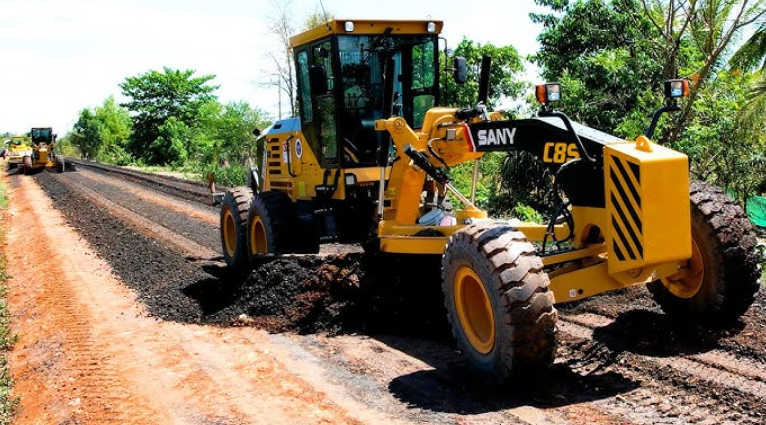
The infrastructure of any region relies heavily on well-constructed roadways, which serve as critical links for transportation, commerce, and community development. The strength and durability of roads are often determined by the quality of the materials used in their foundation. One of the most essential components in constructing durable roads is road base, which provides stability, load distribution, and longevity to paved surfaces.
Understanding Road Base
Road base is the layer of material placed between the subgrade, or natural ground, and the surface layer of a road. It typically consists of crushed stone, gravel, or recycled concrete and is compacted to create a solid foundation. The primary purpose of road base is to distribute traffic loads evenly, prevent settlement or deformation, and support the surface layer, whether it is asphalt, concrete, or another paving material.
The performance of a road often depends more on the quality of the road base than on the surface layer itself. A well-constructed base reduces maintenance costs, prevents premature failures, and ensures a longer lifespan for the roadway.
Types of Road Base
Road base can vary depending on the source material, compaction requirements, and intended use. Common types include:
Crushed Stone Base
Crushed stone is one of the most commonly used materials for road base. It is durable, drains well, and compacts easily, making it suitable for high-traffic roads and highways. The angular shape of crushed stone particles allows them to lock together, creating a stable foundation that resists shifting under load.
Gravel Base
Gravel is another widely used material, particularly for secondary roads and low-traffic areas. While less expensive than crushed stone, gravel still provides adequate support when properly compacted. It is also easier to source and transport, making it a practical option for rural or temporary roads.
Recycled Material Base
Sustainability has led to increased use of recycled materials in road construction. Crushed concrete, asphalt millings, or other recycled aggregates can be used as road base. These materials not only reduce waste but also provide a cost-effective alternative to traditional base materials while maintaining adequate strength and durability.
Benefits of a Quality Road Base
A properly designed and constructed road base offers multiple benefits for infrastructure projects.
Load Distribution
The road base spreads the weight of vehicles evenly across the subgrade, reducing stress on underlying soil. This prevents rutting, cracking, and uneven settlement, ensuring a smoother and safer driving experience.
Drainage and Moisture Control
Road base materials, particularly crushed stone, allow for proper drainage beneath the pavement. Effective drainage prevents water from weakening the subgrade and reduces the risk of frost heave or potholes in colder climates.
Longevity and Reduced Maintenance
Investing in a high-quality road base increases the lifespan of the road surface. It minimizes the frequency and cost of maintenance, reducing long-term expenditure for municipalities and road operators.
Sustainability
Using recycled materials for road base contributes to sustainable construction practices. Recycled aggregates reduce the demand for virgin materials, lower carbon footprints, and promote responsible resource management in the construction industry.
See also: Top 10 Emerging Tech Trends That Will Shape 2025
Construction Process of Road Base
Constructing a road base involves several critical steps to ensure stability and performance:
- Site Preparation: The subgrade must be cleared, graded, and compacted. This ensures a level and stable foundation for the base layer.
- Material Placement: Road base material is spread evenly across the prepared subgrade. The thickness and composition depend on traffic load and road specifications.
- Compaction: Heavy rollers or vibratory compactors compress the material to eliminate voids and increase density. Proper compaction is crucial for load-bearing capacity and longevity.
- Grading and Slope: The base is graded to ensure proper drainage, preventing water accumulation and protecting the road structure.
- Inspection and Testing: Engineers often perform density and moisture tests to confirm that the road base meets required specifications before paving.
Industrial and Commercial Applications
Road base is essential for a wide range of projects, from highways and urban streets to private driveways and industrial access roads. Its role is particularly critical in areas subject to heavy traffic or harsh environmental conditions.
Highways and Expressways
For highways, a strong road base is vital to handle the constant flow of vehicles, including heavy trucks. A stable base reduces the risk of surface damage and extends the life of the pavement.
Urban Roads
City streets experience frequent stop-and-go traffic, which can stress pavement surfaces. Road base helps distribute these loads, maintaining smooth surfaces and minimizing maintenance requirements.
Industrial and Commercial Sites
Industrial parks, warehouses, and commercial complexes often require access roads capable of supporting heavy machinery and delivery vehicles. A properly constructed road base ensures these roads remain functional and safe under repeated stress.
Challenges in Road Base Construction
Despite its importance, road base construction faces several challenges:
- Material Quality: The strength and durability of the road depend on using high-quality aggregates with proper gradation.
- Compaction Issues: Inadequate compaction can lead to settling, potholes, or rutting, compromising road performance.
- Moisture Control: Excess moisture in the subgrade or base layer can weaken the foundation, requiring careful drainage planning.
- Environmental Considerations: Sourcing materials responsibly and incorporating recycled content can mitigate environmental impact but may require additional processing and testing.
Future Trends in Road Base Technology
The road construction industry is evolving to meet the demands of sustainability, efficiency, and durability. Advanced technologies are emerging to improve road base performance:
- Recycled and Sustainable Materials: The use of recycled aggregates and industrial byproducts is increasing, promoting eco-friendly construction.
- Geosynthetics: Geotextiles and geogrids are integrated into road base layers to enhance strength, stability, and drainage.
- Automated Compaction Monitoring: Sensors and smart compaction equipment help ensure uniform density and optimal performance.
- Performance-Based Specifications: Engineers are focusing on material testing and performance metrics rather than just traditional grading standards, leading to longer-lasting roads.
Conclusion
A durable and well-constructed road relies heavily on the strength and quality of its foundation. Road base serves as the backbone of any roadway, distributing loads, managing drainage, and supporting the surface layer to ensure longevity and performance.
By investing in high-quality road base materials and proper construction techniques, municipalities, industries, and developers can reduce maintenance costs, improve safety, and promote sustainability. As technology and materials continue to advance, the road construction industry will continue to develop stronger, more efficient, and environmentally responsible roads, ensuring connectivity and growth for years to come.