
Quartz watches are renowned for their precision and reliability, making them an excellent choice for beginners entering the world of watches. Unlike mechanical watches, quartz watches rely on a small piece of quartz crystal and a battery to maintain accurate time. When electricity from the battery passes through the quartz crystal, it vibrates at a consistent frequency, typically 32,768 times per second. These vibrations are then converted into regular electric pulses that drive the motor, moving the watch hands with remarkable accuracy. This system ensures that quartz watches often deviate by only a few seconds per month, making them highly dependable for everyday wear.
Quartz watches are generally low-maintenance, requiring only occasional battery replacements. Their construction can vary from simple, affordable designs to luxurious models with sophisticated features like chronographs, alarms, and backlighting. The reliability and durability of quartz watches make them an attractive option for individuals seeking a watch that functions flawlessly with minimal effort. Additionally, quartz watches are widely available in numerous styles and sizes, offering versatility for various tastes and budgets. For beginners, this combination of accuracy, affordability, and convenience makes quartz watches a practical first choice.
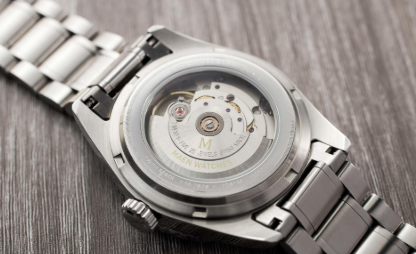
Automatic watches, also known as self-winding watches, operate on a completely different principle. Instead of relying on a battery, automatic watches harness the energy generated from the wearer’s natural wrist movements. Inside the watch, a rotor spins with motion, winding the mainspring, which stores energy and gradually releases it to power the gears and hands. This intricate mechanical system is a marvel of engineering, allowing the watch to function continuously as long as it is worn regularly. Even when stationary, automatic watches can continue running for a certain period depending on the power reserve, typically ranging from 40 to 80 hours.
The appeal of automatic watches like the Seiko mod datejust. lies in their craftsmanship and traditional watchmaking techniques. Many enthusiasts appreciate the artistry involved in assembling the tiny gears, springs, and screws that create a precise mechanical movement. Unlike quartz watches, which prioritize function over tradition, automatic watches combine utility with elegance and heritage. They are often associated with luxury and prestige, and owning one can be seen as a statement of style and appreciation for horology. For beginners, understanding the mechanics behind automatic watches can enhance their appreciation of these remarkable devices.
Comparing Accuracy and Reliability
When it comes to accuracy, quartz watches hold a significant advantage over automatic watches. Quartz movements, powered by the consistent vibrations of the crystal, can maintain time with minimal deviation. In contrast, automatic watches are influenced by factors such as temperature, position, and the level of winding, which can lead to minor time discrepancies of several seconds per day. While these differences may seem small, they can add up over time, requiring automatic watch owners to periodically adjust their watches to maintain precise timing.
Reliability is another point of comparison. Quartz watches are highly durable and less susceptible to shocks, magnetism, and environmental factors, making them ideal for everyday use. Automatic watches, while robust, are more sensitive and may require careful handling and regular servicing to maintain optimal performance. For beginners, recognizing these differences is essential for choosing a watch that suits their lifestyle. Those prioritizing precision and convenience may favor quartz, while individuals drawn to tradition, craftsmanship, and mechanical intricacies may prefer automatic watches despite minor compromises in accuracy.
Maintenance requirements vary significantly between quartz and automatic watches. Quartz watches are relatively low-maintenance, needing only battery replacements every few years and occasional cleaning to ensure longevity. The simplicity of the quartz movement reduces the likelihood of mechanical failures, allowing the watch to function reliably for decades with minimal intervention. This ease of maintenance is particularly appealing for beginners or casual watch wearers who want a dependable timepiece without extensive upkeep.
Automatic watches, on the other hand, require more attentive care. Regular servicing every 3 to 5 years is recommended to clean and lubricate the intricate mechanical components, ensuring accurate timekeeping and preventing wear. Additionally, automatic watches must be worn or wound regularly to keep the mainspring energized. This level of commitment can be rewarding for enthusiasts who enjoy the tactile experience of handling a mechanical watch, but it may pose challenges for newcomers unfamiliar with maintenance routines. Understanding these differences helps beginners make informed decisions based on their preferences for convenience, investment, and long-term satisfaction.
Beyond mechanics, the choice between quartz and automatic watches often comes down to aesthetics and lifestyle. Quartz watches tend to offer a wide variety of designs, from minimalistic modern styles to high-tech digital interfaces. Their lightweight construction and low-maintenance nature make them suitable for active lifestyles and everyday wear. Quartz watches often cater to fashion-conscious individuals seeking a functional accessory that complements various outfits and occasions.

